



Camera Technology

Body Worn Cameras
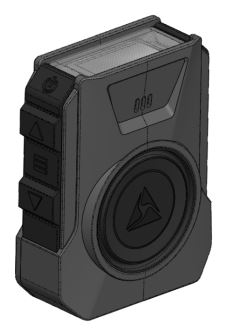
The Ottawa Police Service (OPS) began deploying body-worn cameras (BWCs) on November 10, 2025, as part of its ongoing commitment to accountability, transparency, and strengthening public trust.
- Transparency: Provide an unbiased visual and audio record of police interactions.
- Accountability: Allow for review of officer conduct and reinforce professional standards.
- Evidence Collection: Offer reliable video and audio evidence for investigations and court proceedings.
- Training: Assist with officer development and best practice evaluation.
- De-escalation: Presence of BWCs can help reduce tension during interactions.
- Public & Officer Protection: Help resolve complaints and protect against false allegations.
- Objective Reporting: Provide a factual record of events to support clear incident documentation.
- AI-Enhanced Tools: Integration with OPS’s Digital Evidence Information Management System (DEIMS) allows for automated transcription, translation (up to 50 languages), and court-ready redaction.
- Real-Time Streaming: Enables live video feed to the OPS Real Time Operations Centre (RTOC) during critical incidents.
In-Car Cameras
The Ottawa Police Service (OPS) is investing in a new Digital Evidence Information Management System (DEIMS) that will help us in the work we do to serve the community. It is part of a program launched by the Solicitor General of Ontario and the Ministry of the Attorney General’s office to help create common resources for all police services across the province and, in the future, will allow us to securely accept things like video clips, images or other media to support you when you file a report with us.
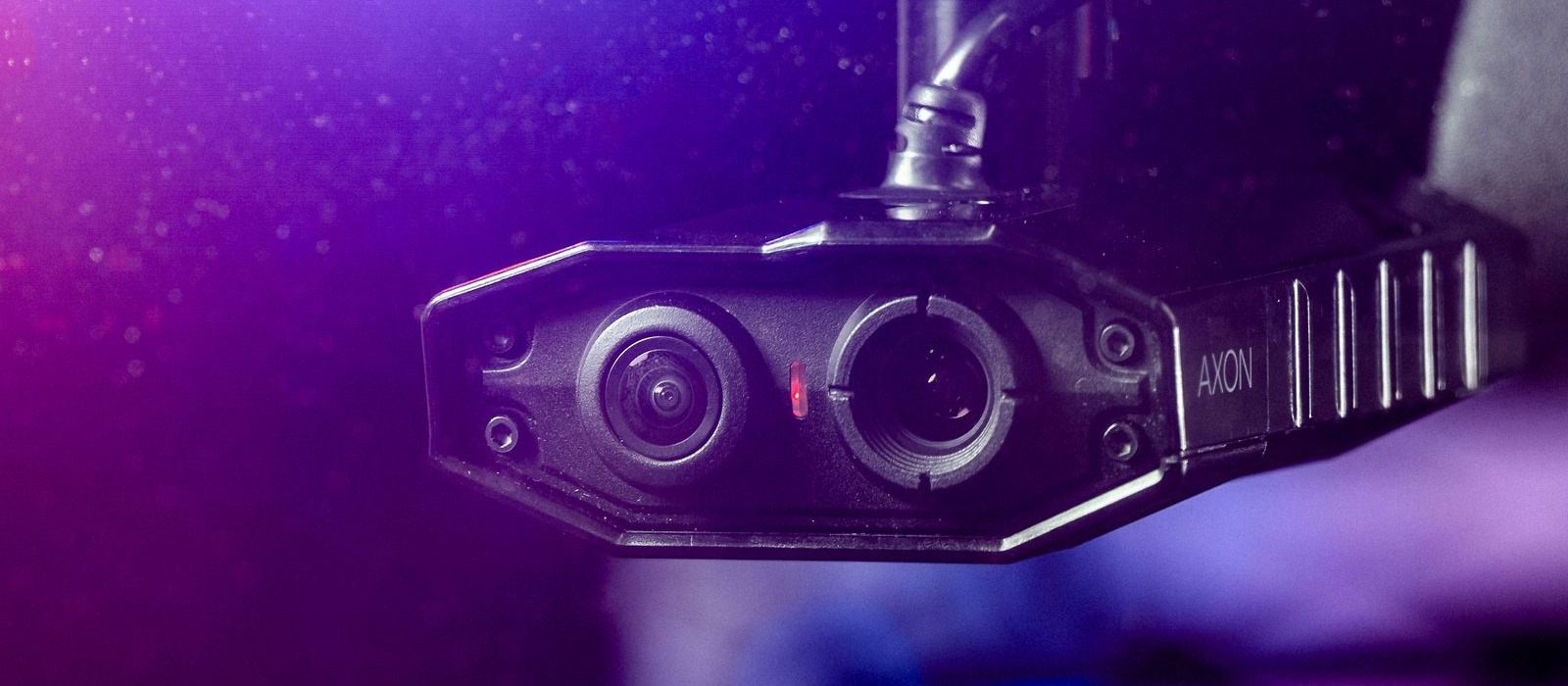
DEIMS has opened the door to adding in-car cameras with integrated ALPR to help officers in their jobs and provide a measure of transparency and accountability. Other police services across the province and the country are already using this technology, and we have heard from both our officers and the public that they want to see it deployed within our Service.
Automated License Plate Reader (ALPR)
Automated License Plate Reader (ALPR) technology has been deployed by the Ottawa Police Service (OPS) since 2016. It is an effective and efficient tool that supports public safety and strengthens roadside law enforcement. ALPR is capable of high-speed image capture that can correctly identify license plate numbers for validation or check against the Ministry of Transportation hotlist and/or OPS-specific hotlist. The hotlist will contain the licence plate numbers of wanted or stolen vehicles or license plates associated with an AMBER Alert; plus other potential offences that should trigger a traffic stop by the officer on duty.

ALPR technology provides police officers with an in-car alert to perform a traffic stop based on a license plate number found on the hotlist.
The OPS has purchased 37 Axon Fleet 3 in-car camera systems with integrated ALPR for a pilot project with grant funding from the Ministry of the Solicitor General. The OPS currently operates five vehicles with a three-external mounted camera ALPR system that solely utilizes ALPR technology.
Video recording enables a range of benefits, including enhanced officer accountability and improved public confidence, provides evidence and provides financial and time-saving benefits such as reduced time in courts by officers, thus allowing for more proactive policing. Members of the public will be informed that they are being video and audio-recorded by the stopping officer.
It can be used for live streaming by a command team to view real-time situations. Prior to these capabilities being enabled, community consultations are required to ensure that any possible issue linked to video/audio capture and management is addressed and mitigated. The OPS will ensure that public consultations are fully completed prior to any implementation.
Wireless microphones
Vehicles equipped with in-car cameras will also utilize wireless microphones to capture audio when an officer exits the vehicle. Wireless microphones are paired to the in-car camera and have a range of 1,000 feet (300 metres).
When recording, a red flashing light will be visible, and every two minutes, the wireless microphone will beep. Officers will attach the wireless microphones to their vest (chest) utilizing a RapidLock mount.
| Do in-car cameras have Automated License Plate Reader (ALPR) capabilities? |
| Yes, the in-car camera replaces the existing ALPR technology that is already deployed at OPS. The deployment of the in-car cameras expands the number of ALPR equipped vehicles from 5 to 35, which will all have video capability to record police interactions in both traffic specific and regular police vehicles. |
| Who can edit videos? |
|
Original video recordings cannot be edited and will be retained in the digital evidence management system in their original form. Individual police officers will have ability to redact copies of videos for disclosure purposes. Access to a camera video or image is automatically captured and tracked in an audit log, and includes employee information as well as the time and date that the n camera video or image was accessed in the digital evidence management system. |
| Who will be able to access video data? |
|
Only designated individuals will be able to access data within the digital evidence management system, and only then where there is a need to do so. Access to a camera video or image is automatically captured and tracked in an audit log, which includes the member's regimental number, and the time and date that the body-worn video or image was accessed in the digital evidence management system. |
|
Is the digital evidence information management system vulnerable to hackers and security risks? |
|
The OPS is diligent in protecting all our information and information systems from attack, and the new digital evidence management system is no exception. The digital evidence management system will have multiple layers of security controls and will be continuously monitored to protect against security threats and risks. |