

Testing XSL
file://e:\websites\public\12571880\12571880_OttawaPoliceService\en\rotatingimages\rotatingImageData.xml
defaultInterior



Mental Health CHANGE Initiative: A collaborative path forward
 Back to Search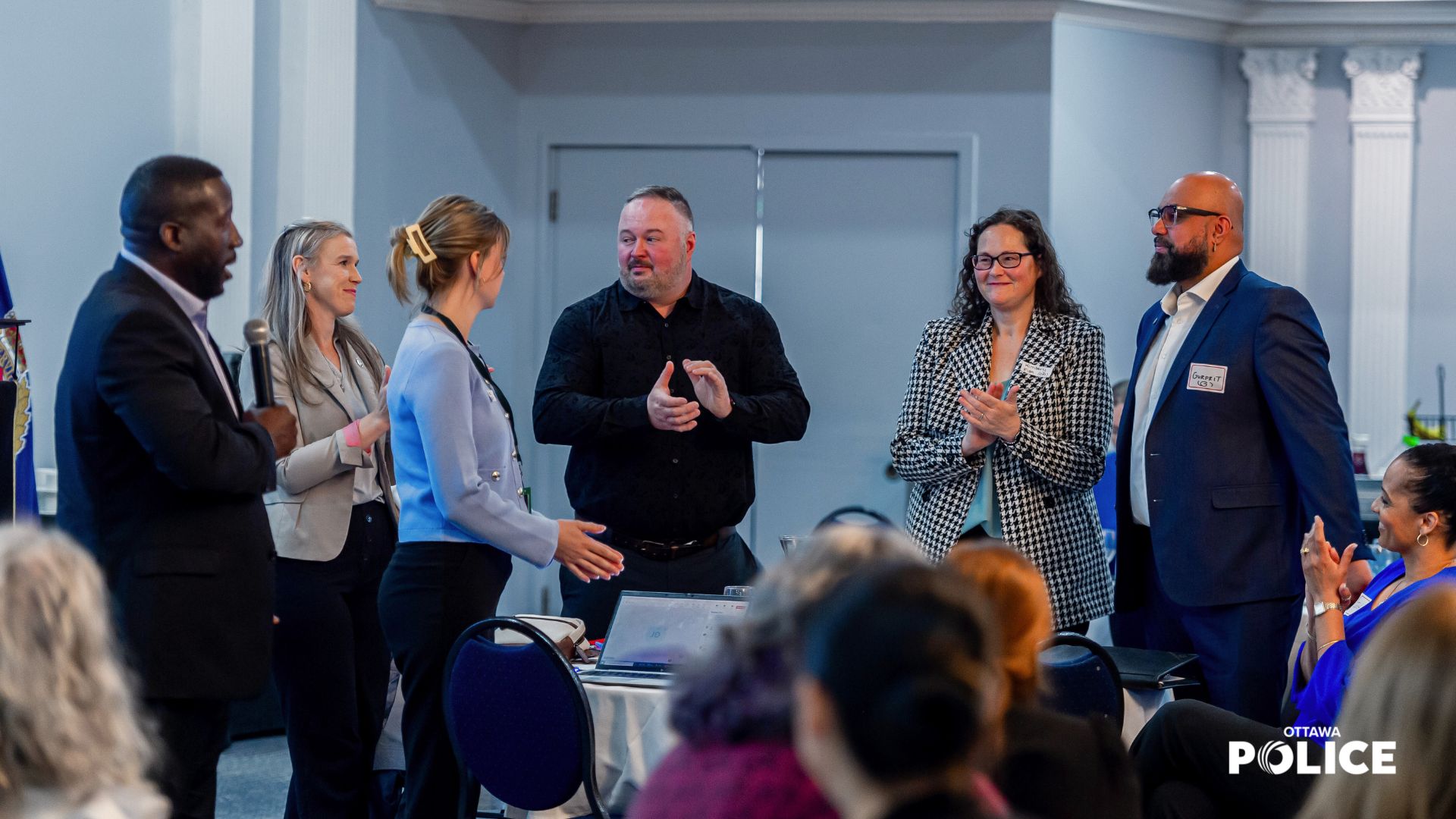
The Sala San Marco Event Centre buzzed with conversation on May 22, 2025, as community leaders, Ottawa Police Service (OPS) members, and the Mental Health CHANGE Initiative (MHCI) team gathered for a pivotal information session focused on improving mental health crisis response in Ottawa.
The session was facilitated by Cst. Judith Drover-Janes of the Equity, Diversity and Inclusion Unit, and created an opportunity for the CHANGE Initiative team to present their goals and project charter before opening the floor to questions, comments and stories from the community.
The MHCI was developed in response to the recommendations from the coroner’s inquest into Abdirahman Abdi’s death, with the goal of identifying and addressing systemic gaps, coordinating efforts and driving meaningful improvements.
The CHANGE Initiative team is committed to amplifying voices from all backgrounds, experiences, and community organizations to build a more responsive, compassionate, and effective organization, and providing a space for open, honest dialogue with OPS. As the microphone passed around the room, community members stood, one by one, to be heard, delivering a resounding and unified message: systemic change is non-negotiable.
Many called for OPS to address root causes of systemic injustice, ensure transparent community engagement, and embed decolonization efforts in its approach. Others questioned how officers are introduced to communities and how OPS is working to build trust.
The conversation also emphasized the contribution of the Mental Health and Wellness Advisory Committee (MHAC) – a membership of participants who represent the diverse University community and who possess perspective or expertise that could be drawn upon – in shaping and influencing OPS’s future approach. Community representatives stressed the importance of including diverse voices, advocating for trauma-informed policies, and fostering partnerships with city groups like ANCHOR, with the goal of increasing their capacity, not taking resources away from the community. Calls for improved transparency, post-crisis services and reduced police-led mental health interventions were echoed throughout the session.
It was highlighted that goals of major and rapid change, though backed by good intentions, might be unrealistic. Community members called for less broad commitments from OPS and more concrete, actionable plans.
The success of this initiative is important to all, though participants encouraged OPS to acknowledge differing perspectives and biases in defining success. A powerful vision of what success could look like was shared: a future where police presence during mental health crises does not evoke fear.
To Acting Staff Sergeant Devon Archer, the CHANGE initiative project lead, success looks like a shift in both perspective and practice. “Success will look like building meaningful trust between police and the communities we serve, especially those who have historically felt unseen or unsafe.”
A/ S/Sgt. Archer highlighted that systemic change needed to happen within OPS and outside of OPS, from embedding community voices in how OPS shapes their policy, response and recovery, to officers receiving adequate support, training and tools.
As the dialogue continues, the community calls on OPS to learn from them by continuing to have these conversations and turning to their programs for information. The CHANGE leadership has committed to ongoing engagement and transparent updates on the initiative’s progress.
The community is calling on the police service to commit to building meaningful, trust-based relationships with residents and to remain open to ongoing input and feedback. As changes are made within the organization, it is essential that community voices are not only heard but actively considered, ensuring that progress reflects the needs and expectations of the people OPS serves.
For more information, questions or to share your interest in joining the MHAC, you can reach the CHANGE Initiative Team at [email protected].