

Testing XSL
file://e:\websites\public\12571880\12571880_OttawaPoliceService\en\rotatingimages\rotatingImageData.xml
defaultInterior



The ripple effect: How two officers changed the future of maternity leave in policing
 Back to Search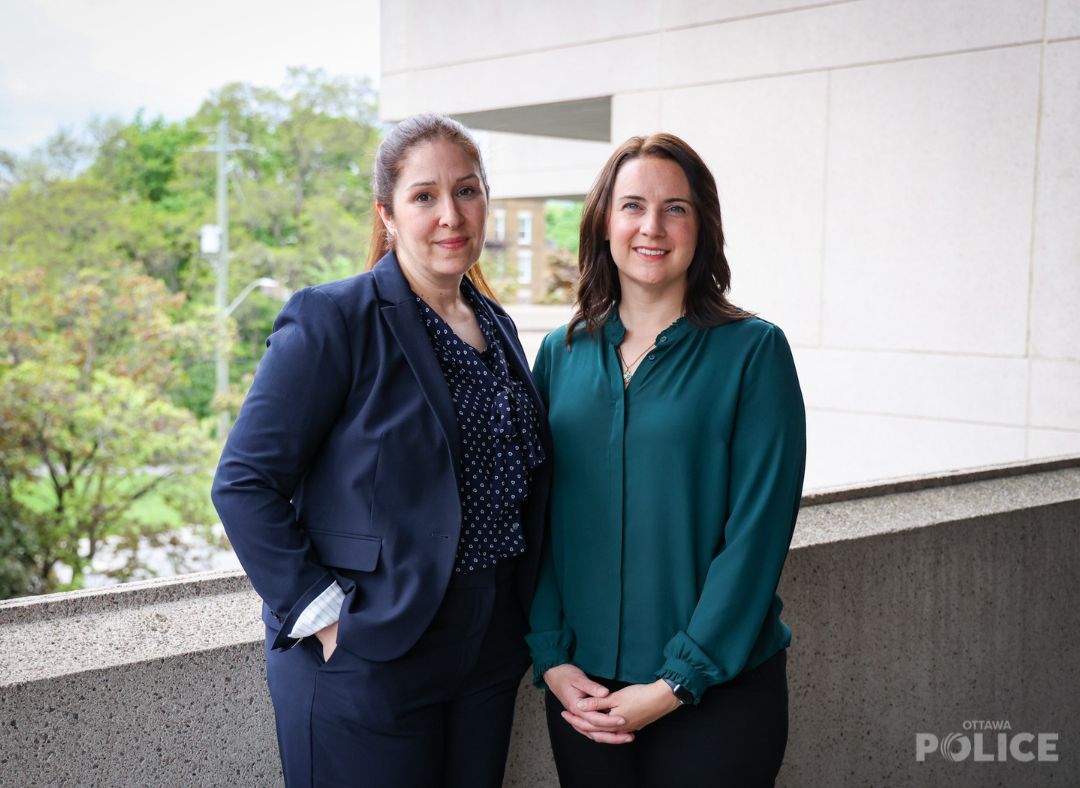
This article was edited on May 30, 2025, to reflect the exact terms of the collective agreement.
When Paddye Magill and Carrie Archibald joined forces through the Women's Internal Network and Support (WIN+S) group at the Ottawa Police Service (OPS), they had no idea their collaboration would spark national change.
Both mothers and seasoned officers, they bonded over a shared frustration: despite the years between their pregnancies, the challenges they faced during maternity leave remained unchanged.
When Magill spotted a pregnant colleague in the hallway, she didn’t hesitate. “I’d bolt toward them,” she explained, “because I knew what they were about to go through.” That instinct — to connect, to protect — would eventually lead her and Archibald to rewrite the rules for maternity leave at OPS.
The two formed the Parental Committee and launched a comprehensive survey to gather data from their colleagues. “The response was overwhelming,” they both said. The results showed 434 members submitting deeply personal accounts of hardship, frustration, and emotional toll. “One officer reported being subpoenaed to court 24 times during her maternity leave for a single file.”
As they began scanning through the survey responses, it became instantly clear that this work was too important, too demanding, to be done off the sides of their desks—Magill couldn’t do it from a cruiser, and Archibald was swamped with detective work. So they built it on their own time, in the scattered hours between parenting, personal commitments, staying active, and navigating every day.
“It took us eight hours to read through the comment section of the survey alone,” Archibald said. “If this was important enough for someone to write to us, then it was important for us to read it.”
The main issue was painfully clear: women had suffered for too long under a policy that required OPS members to return to court rooms only six weeks after giving birth. It forced new mothers back to work before they had time to heal and bond with their babies, ignoring their basic needs and well-being.
The survey became the foundation for a campaign that combined data, medical research, and cross-jurisdictional comparisons. They consulted with experts like Dr. Rebecca Chase, a Women's Health Expert in Ottawa, and Dr. Mark Walker, a High-Risk Obstetrician and Clinical Epidemiologist at the University of Ottawa.
Dr. Walker emphasized the cognitive and emotional risks of postpartum court appearances. “The stress of going to court during the postpartum period could put mothers under stress in a period where they are very susceptible to mood disorders. The implications on mother-child bonding, wellness and family health are unknown and could be detrimental.”
Magill and Archibald also reached out to other police services across Canada asking how long after birth a mother would be required to return to work and attend court. “Some were dumbfounded that we were even asking this,” Magill recalled. “They just don’t do it.”
They knew the impact of bringing change to maternity leave would go beyond policy. “We had people become emotional talking about children they had 20 years ago,” said Archibald.
Women recounted the raw and wrenching reality of returning to work just a few weeks after having a baby—standing over courthouse toilets, hand-expressing breast milk in a rush of pain and urgency. Engorged mid-trial, milk soaked through their shirts as they tried to maintain composure under fluorescent lights and legal scrutiny. Stitches, wounds and fractured tailbones crammed onto courtroom benches for hours, their pain overlooked in the pursuit of procedure. Breastfeeding abruptly cut short, not by choice, but by circumstance—bottles ferried between rooms by family members while infants waited, confused and hungry, down the hall.
All while being expected to summon the cognitive clarity required for criminal trials—at a time when their brains were still reshaping themselves, flooded with shifting hormones, rewired for caregiving, and tender with sleep deprivation and emotional vulnerability.
This was the hidden toll of early postpartum as a female police officer in Ottawa—the cost paid in silence by women who had just given birth and were expected to carry on as if nothing had changed.
Magill and Archibald delved into the history of the organization's maternity leave policy only to be stunned by what they found: it hadn't been updated in 35 years.
“This wasn’t for us,” Archibald said about their relentless pursuit for better conditions for the mothers of OPS. “We’re done having children. But we didn’t want to leave this organization the way we found it. We wanted to make it better.”
Their advocacy, along with the collaborative efforts of Deputy Chief Patricia Ferguson, Superintendent Heather Lachine and the Ottawa Police Association, culminated in a historic achievement: the 2025 to 2029 OPS Collective Agreement now includes a full year of paid maternity leave at 93 per cent salary and a commitment from the organization to work on minimizing the impact of court obligation during parental leave.
“We are the first in Canada to achieve this agreement,” said Archibald, her eyes filled with pride.
But the work for women and mothers at OPS is not over. “The torch has been passed for awareness training to happen with supervisors,” explained Deputy Chief Ferguson.
“I remember being subpoenaed for a three-week homicide trial 10 days after my daughter was born 24 years ago,” she explained. “It bothers me to this day that I didn't feel I could advocate for myself and my baby—there was no one I could turn to, and it was a rigid system with no exceptions.”
DC Ferguson made her intentions clear and is “keeping her foot on the gas” when it comes to the organization getting better at supporting members through every stage of their lives and careers.
Magill and Archibald were recipients of the Ontario Women In Law Enforcement (OWLE) award, recognized for their courage, compassion, and commitment to systemic change. They’ve since presented their work at provincial conferences and will soon take their message to an international stage in Scotland.
Their story is a testament to what can happen when the unshakeable force of mothers is backed by data and advocacy—proving that real change is possible, even within the largest organizations.
It’s a ripple effect reminding us that when mothers come together, they don’t just make waves, they move mountains.