
Yes, the in-car camera replaces the existing ALPR technology that is already deployed at OPS. The deployment of the in-car cameras expands the number of ALPR equipped vehicles from 5 to 35, which will all have video capability to record police interactions in both traffic specific and regular police vehicles.
Camera Technology
Body Worn Cameras
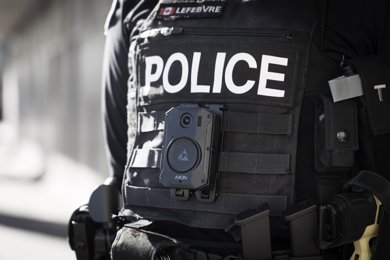
The Ottawa Police Service (OPS) began deploying body-worn cameras (BWCs) on November 10, 2025, as part of its ongoing commitment to accountability, transparency, and strengthening public trust.
Thirty Axon body-worn cameras were issued to members of the Crisis Intervention Team (CIT) and select Change Agents.
Officers will wear the cameras during their regular duties, including responding to calls involving individuals in crisis. This initial rollout supports the Alternative Mental Health Support Initiative and directly responds to jury recommendations from the coroner’s inquest into the death of Abdirahman Abdi, which are being implemented by the OPS’s Mental Health C.H.A.N.G.E. Initiative team.
Body-worn cameras offer several operational and community benefits:
- Transparency: Provide an unbiased visual and audio record of police interactions.
- Accountability: Allow for review of officer conduct and reinforce professional standards.
- Evidence Collection: Offer reliable video and audio evidence for investigations and court proceedings.
- Training: Assist with officer development and best practice evaluation.
- De-escalation: Presence of BWCs can help reduce tension during interactions.
- Public & Officer Protection: Help resolve complaints and protect against false allegations.
- Objective Reporting: Provide a factual record of events to support clear incident documentation.
- AI-Enhanced Tools: Integration with OPS’s Digital Evidence Information Management System (DEIMS) allows for automated transcription, translation (up to 50 languages), and court-ready redaction.
- Real-Time Streaming: Enables live video feed to the OPS Real Time Operations Centre (RTOC) during critical incidents.
All officers assigned a body-worn camera receive mandatory training on proper use, privacy considerations, and operational procedures.
Background
In 2023, OPS began laying the groundwork for a phased implementation of the BWC program, supported by the rollout of the Axon DEIMS platform. This system has been in use at OPS since 2024, supporting digital evidence management, in-car camera systems, and Automated Licence Plate Readers.
While an initial pilot was originally planned for 2024, budget constraints led to a postponement. The first phase of deployment is now scheduled to begin in late 2025, with a larger rollout anticipated between 2026 and 2027, pending future budget approvals.
The deployment of body-worn cameras is one of several initiatives aimed at enhancing transparency, accountability, and community confidence in policing across Ottawa.
Questions? Email: DEIMS@ottawapolice.ca
In-Car Cameras
The Ottawa Police Service (OPS) has implemented a Digital Evidence Information Management System (DEIMS) to support modern policing, strengthen accountability, and enhance service to the community. DEIMS is a secure platform that manages video, audio, images, and other digital evidence generated during police operations.
This system is part of a provincewide initiative led by Ontario’s Solicitor General and the Ministry of the Attorney General to establish consistent digital evidence practices across police services. DEIMS also enables OPS to securely receive digital submissions—such as photos, videos, or other media—from members of the public when filing reports.
Use of In-Car Cameras
With DEIMS in place, OPS has deployed in-car camera systems in 65 marked patrol vehicles. These systems support officers in the performance of their duties while providing greater transparency and accountability. Similar technology is widely used by police services across Ontario and Canada, and its deployment at OPS reflects both operational needs and community expectations.
In-car camera systems may include:
-
Forward-facing video that captures events occurring in front of the police vehicle
-
Rear-seat audio and video recording capability
-
Integrated technology such as Automated Licence Plate Recognition (ALPR), where used in accordance with law, policy, and approved purposes
ALPR
The 65 Axon Fleet 3 in-car camera systems are equipped with integrated Automatic Licence Plate Recognition (ALPR) technology. This deployment enhances existing operational capabilities and builds on OPS’s prior experience with ALPR, including five vehicles previously equipped with externally mounted licence plate recognition cameras.
OPS operates ALPR technology in accordance with established policies and procedures that govern its use, ensuring compliance with applicable legislation and a strong focus on privacy, accountability, and responsible information management.
Audio and Video Recording in the Rear Seat
OPS patrol vehicles equipped with in-car cameras are capable of audio and video recording within the rear prisoner compartment. When activated, these cameras record interactions during the transport of individuals in custody.
Rear-seat audio and video recording is used to:
-
Promote officer and prisoner safety
-
Accurately document interactions that occur during transport
-
Preserve evidence for investigations, court proceedings, and public complaints
-
Protect both members of the public and OPS personnel through an objective record of events
All recordings are collected, stored, accessed, and retained in accordance with applicable legislation, privacy requirements, and OPS policies. Access to recorded footage is restricted to authorized personnel and is reviewed only for legitimate operational, investigative, evidentiary, or oversight purposes. Recordings are not continuously monitored in real time.
OPS recognizes the importance of balancing effective policing with respect for individual privacy. The in-car camera program is supported by clear governance, training, and oversight to ensure the technology is used responsibly, lawfully, and in a manner that maintains public trust.

ALPR technology provides police officers with an in-car alert to perform a traffic stop based on a license plate number found on the hotlist.
Wireless microphones
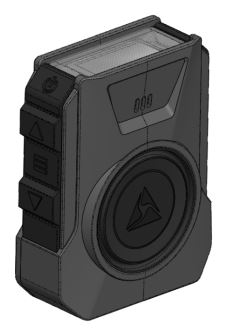
Vehicles equipped with in-car cameras will also utilize wireless microphones to capture audio when an officer exits the vehicle. Wireless microphones are paired to the in-car camera and have a range of 1,000 feet (300 metres).
When recording, a red flashing light will be visible, and every two minutes, the wireless microphone will beep. Officers will attach the wireless microphones to their vest (chest) utilizing a RapidLock mount.
Do in-car cameras have Automated License Plate Reader (ALPR) capabilities?
Original video recordings cannot be edited and will be retained in the digital evidence management system in their original form. Individual police officers will have ability to redact copies of videos for disclosure purposes.
Access to a camera video or image is automatically captured and tracked in an audit log, and includes employee information as well as the time and date that the n camera video or image was accessed in the digital evidence management system.
Who will be able to access video data?
Only designated individuals will be able to access data within the digital evidence management system, and only then where there is a need to do so.
Access to a camera video or image is automatically captured and tracked in an audit log, which includes the member's regimental number, and the time and date that the body-worn video or image was accessed in the digital evidence management system.
Is the digital evidence information management system vulnerable to hackers and security risks?
The OPS is diligent in protecting all our information and information systems from attack, and the new digital evidence management system is no exception. The digital evidence management system will have multiple layers of security controls and will be continuously monitored to protect against security threats and risks.


