
Reconciliation
|
Land Acknowledgement Ottawa is built on un-ceded Algonquin Anishinabe territory. |
At the Ottawa Police Service, we recognize the importance of acknowledging and learning from the past, evaluating our present actions, and working collaboratively with Indigenous communities, peoples, and members to shape a better future. Reconciliation is an ongoing process, and we are committed to building relationships based on respect, cooperation, and partnership as the foundation for transformative change.
We continue to work closely with our Indigenous partners to foster understanding, inclusion, and meaningful engagement across all aspects of our work.
Key Reconciliation Initiatives and Events at OPS
Renaming of the Executive Boardroom
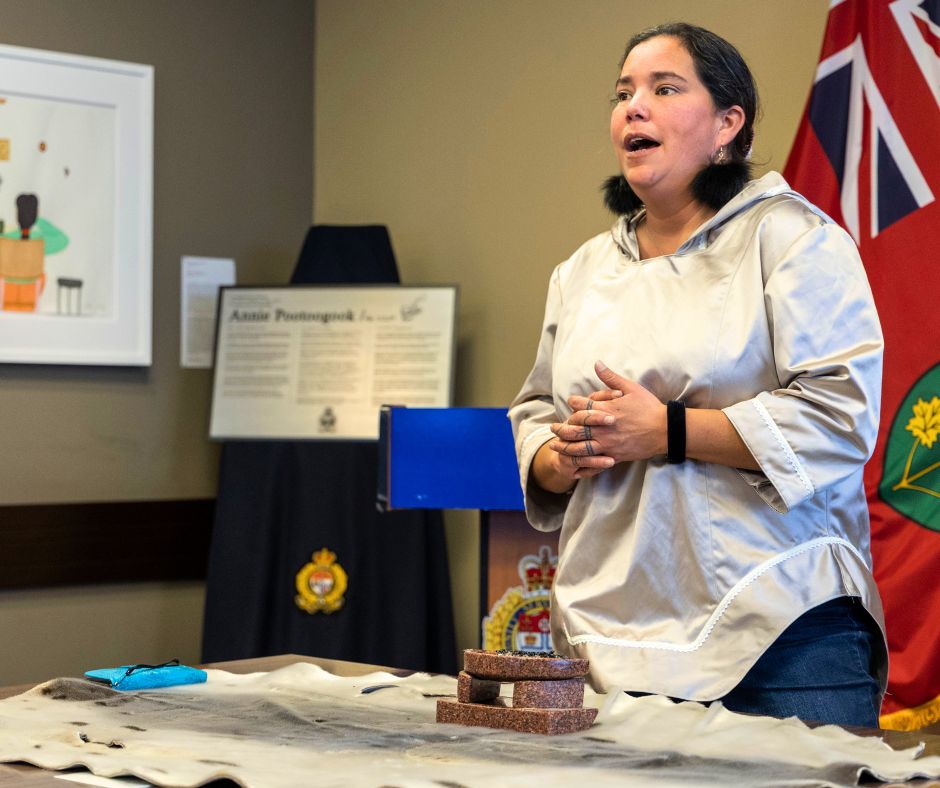
In 2022, we renamed the Executive Boardroom at 474 Elgin Street to The Tunnganarniq Boardroom in honour of Annie Pootoogook. Annie was a prominent artist from Kinngait, Nunavut, who lived in Ottawa before her tragic passing in 2016. Her artwork and life story remind us of our shared colonial history and the need to continually strive for inclusion and reconciliation.
Flotilla for Friendship
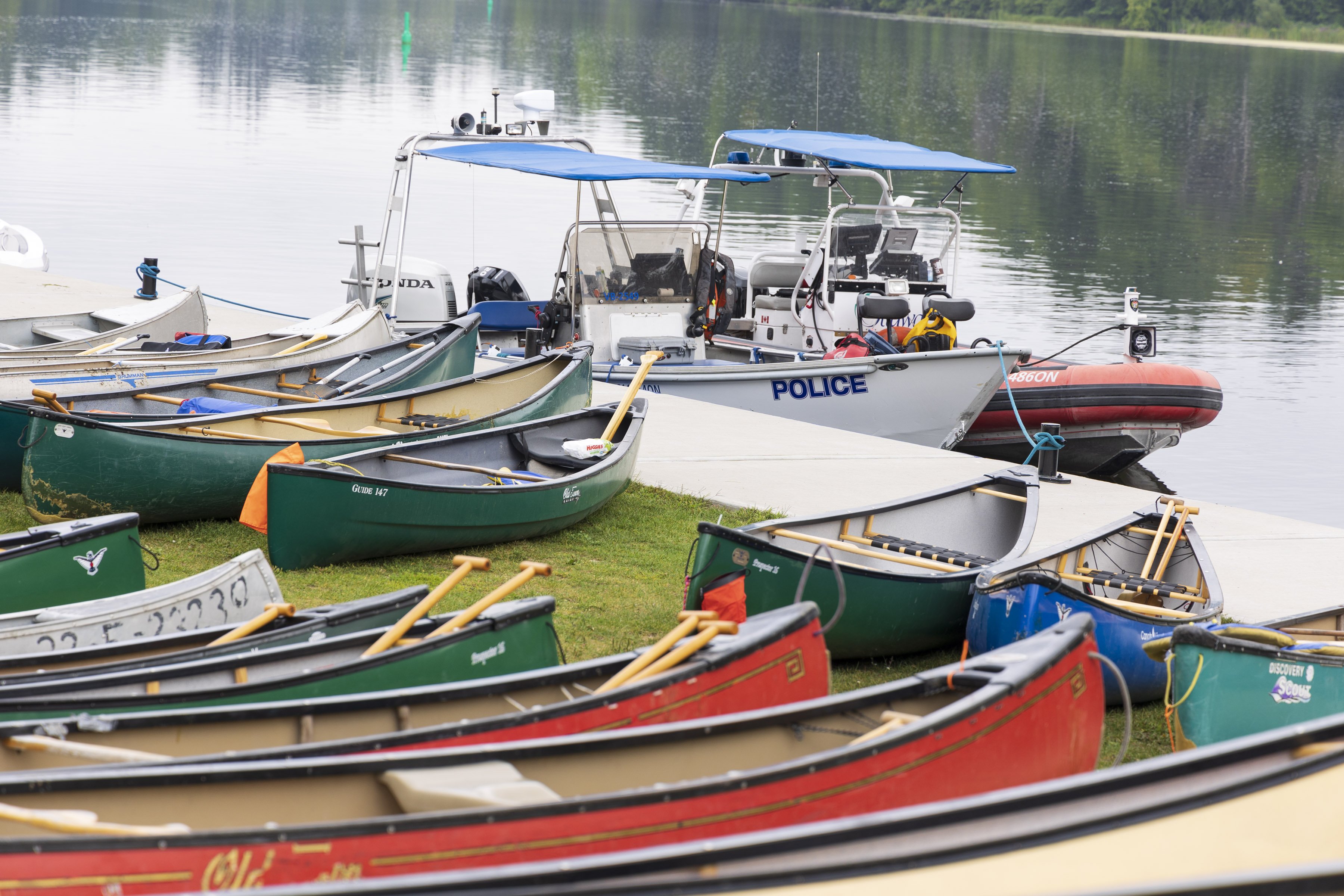
Annually, OPS participates in the Flotilla for Friendship, an event bringing together Indigenous youth, community organizations such as the Wabano Centre for Aboriginal Health, and the Ottawa Police Service for a day of paddling, cultural activities, and community connection.
Indigenous-Focused Recruiting Event – In Collaboration with Anishinabek Police Service
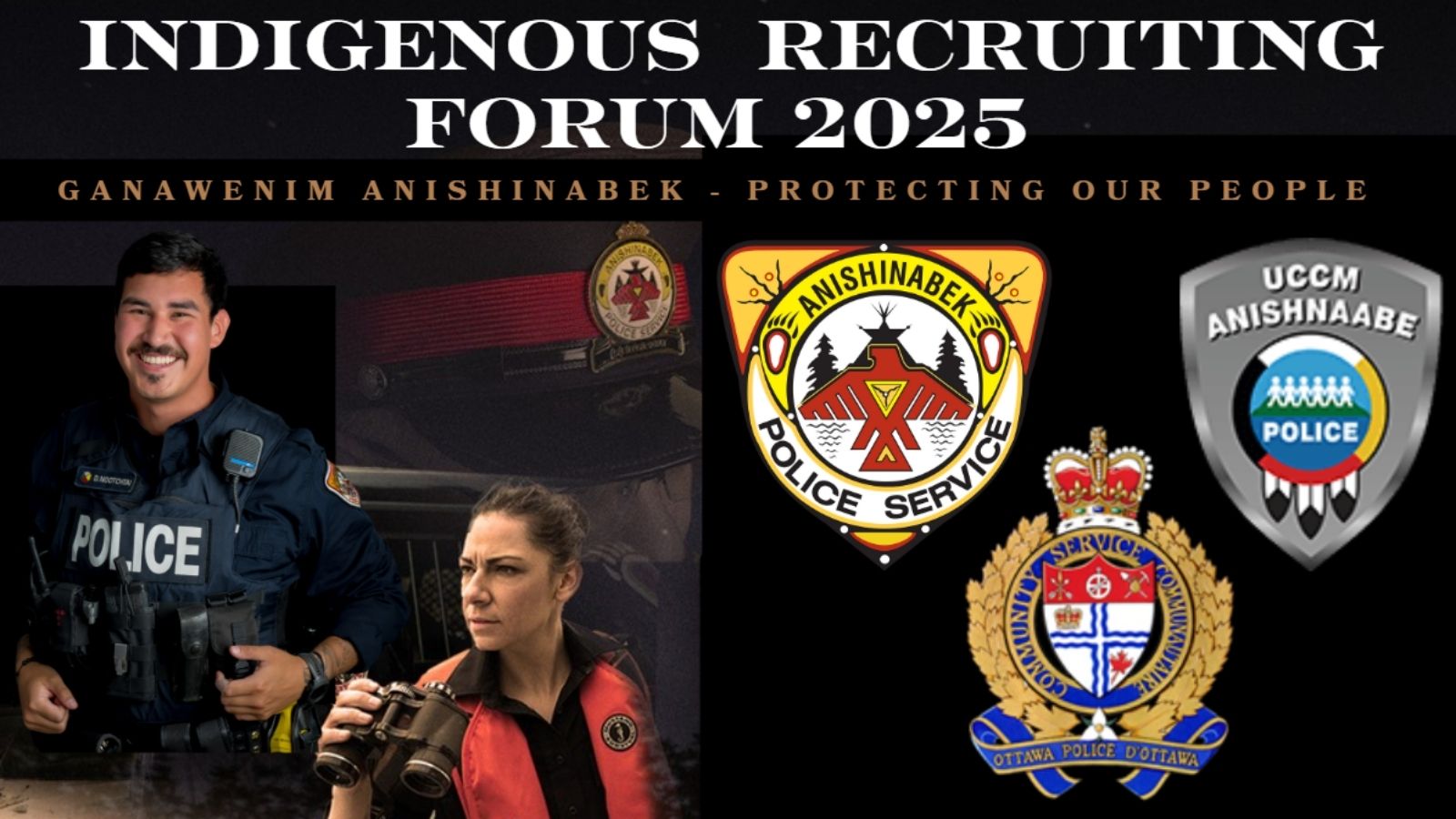
OPS is collaborating with the Anishinabek Police Service to host recruiting events focused on Indigenous participation in law enforcement. This initiative empowers Indigenous peoples to consider careers in policing, while ensuring that recruitment processes are culturally aware, inclusive, and supportive. Strengthening Indigenous representation within OPS helps us better serve our communities, foster trust, and create a more equitable and responsive police service.
Read about the first-ever Indigenous Recruiting Forum here.
Jingle Dress
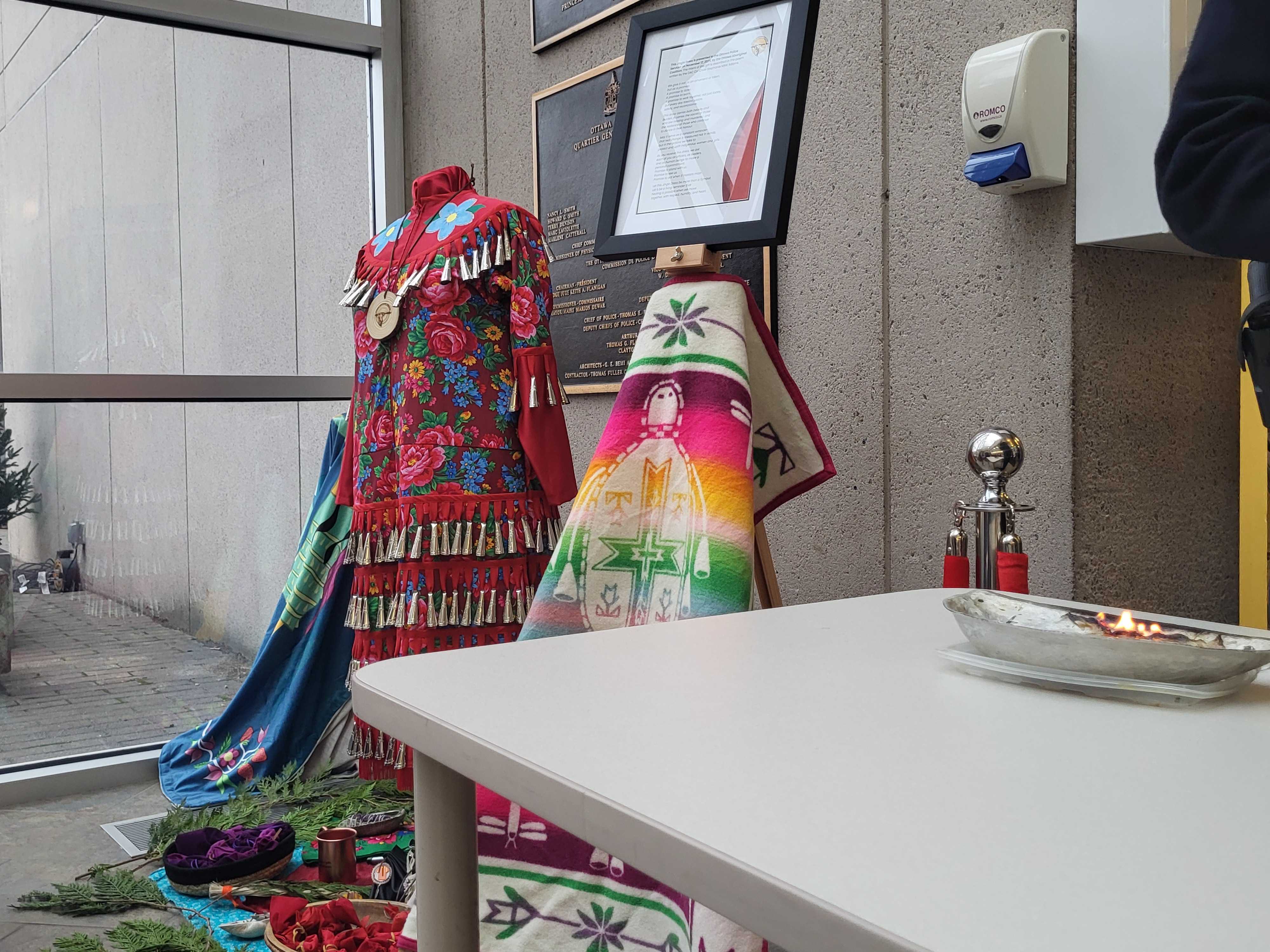
May 5 is the National Day of awareness and remembrance for the Missing & Murdered Indigenous Women, Girls and 2SLGBTQI+ people (MMIWG2S), also known as "Red Dress Day," coined by Métis artist Jaime Black as "an aesthetic response to this critical national issue." The ongoing crisis of missing and murdered Indigenous women, girls, and 2SLGBTQI+ people that we are facing is a direct result of colonization. In Canada, more than six in ten (63%) Indigenous women have experienced physical or sexual assault in their lifetime. The impact of these disproportionately high rates of violence is felt in all areas of life. The effects on health and wellness include inequitable access and treatment in health care and underrepresentation in health research.
New Position: Senior Advisor for Violence Against Indigenous Women

Tree of Hope
The Tree of Hope project is a poignant initiative that began in Thunder Bay, Ontario, in 2019, to honour and raise awareness for Missing and Murdered Indigenous Women, Girls, and Two-Spirit individuals (MMIWG2S). First hosted by the Thunder Bay Police Service, the project involves cultural ceremony and the of illuminating trees with red lights representing a missing or murdered Indigenous person.
Thunder Bay Police Officer Sharlene Bourdeau initiated the project to raise awareness of MMIWG2S and to reassure their loved ones that they are not forgotten. Constable Bourdeau, now retired, is a member of the Pays Plat First Nation and served 30 years with the Thunder Bay Police Service. Constable Bourdeau specifically wanted the initiative to highlight the role police have in overseeing cases associated with MMIWG2S, to help bridge the gap between Indigenous communities and police.
The Tree of Hope was originally intended to be a police-led project. Police services can engage as appropriate local, regional, national Indigenous communities, groups and organizations. The widespread participation of police services across Ontario in the Tree of Hope project underscores a collective commitment to raising awareness and honoring the memory of MMIWG2S.
In Ottawa, the OPS has been working with the OAC and other Indigenous partners to ensure that the first Tree of Hope event in Ottawa will be led by the urban Indigenous community that is served by OPS. The organizers have envisioned an event that is broader than OPS and invites the Ottawa community to take up our collective responsibility for each other’s safety.


