




Mental Health C.H.A.N.G.E Initiative
The Mental Health C.H.A.N.G.E. Initiative (MHCI) was created in response to recommendations from the Abdirahman Abdi inquest. Its goal is to improve how the Ottawa Police Service (OPS) responds to people experiencing mental health crises.
MHCI is focused on long-term, system-wide improvements that make police services more compassionate, effective, and connected to the needs of Ottawa’s diverse communities. It is built on the principles of fairness, accountability, and community trust.
Working Together for Better Outcomes
The initiative brings OPS and community partners, especially those delivering mental health services, together to create a more responsive and inclusive model of public safety. By embedding lived experience, evidence-based practices, and community input into training and daily operations, MHCI aims to reduce harm and improve outcomes for individuals in crisis.
.jpg)
The OPS is committed to becoming a leader in mental health crisis response.
Through the MHCI, we are working toward a safer, more equitable system—guided by the voices of the community we serve.
Who We Are
The Mental Health C.H.A.N.G.E. Initiative is driven by a dedicated team within the Ottawa Police Service who bring diverse skills, perspectives, and experiences to this work. Led by A/S/Sgt. Devon Archer, the team includes Sgt. Sean Convey, Cst. Gurprit Dhaliwal, Joëlle Martin, Crissie Clemow, and Kimberly Fish, each contributing their unique expertise and commitment to strengthening mental health crisis response in Ottawa.
Working closely with community partners, mental health professionals, and people with lived experience, the team ensures the initiative is shaped by the voices and needs of the city’s diverse communities.
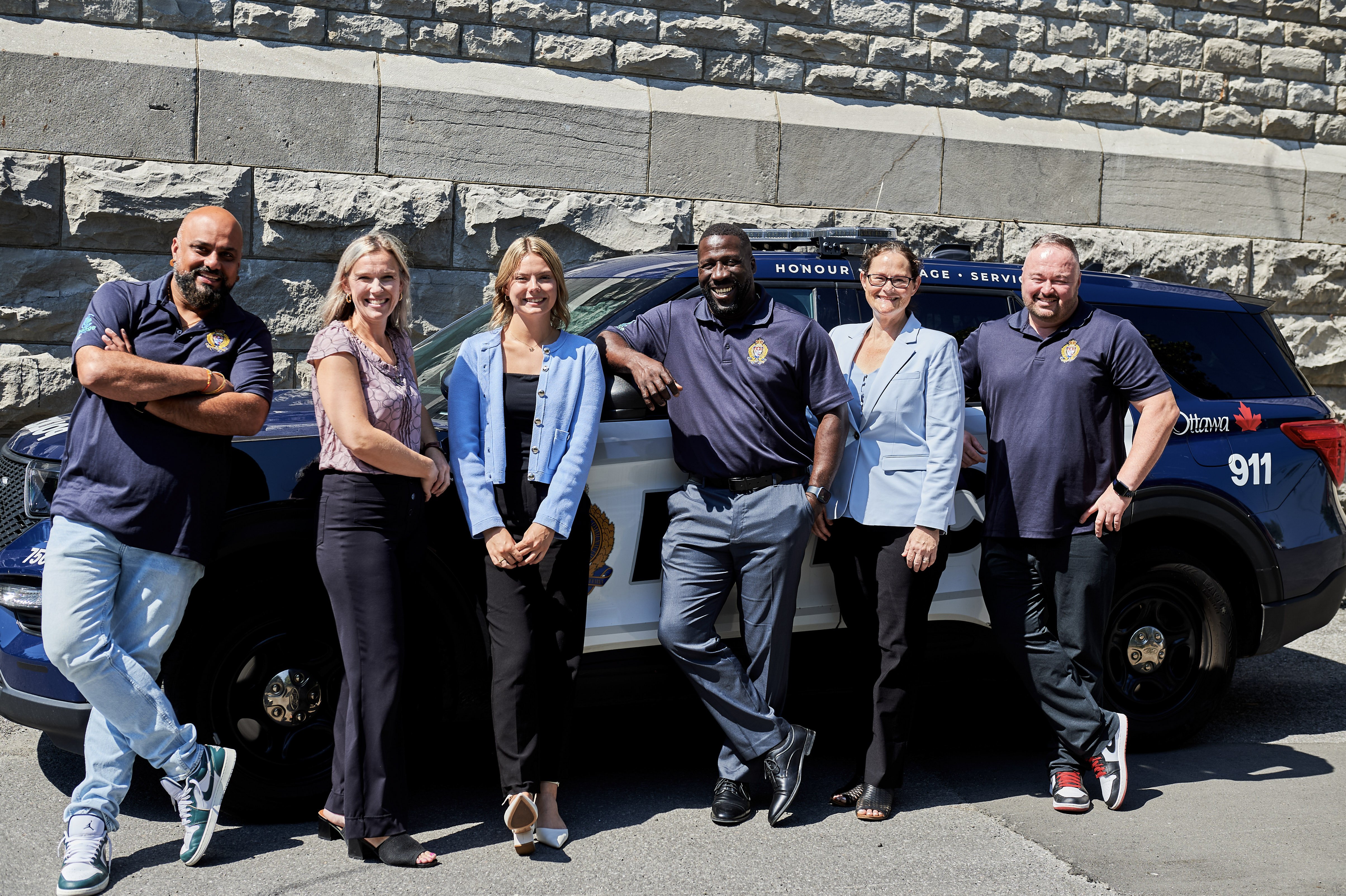
L-R: Cst. Gurprit Dhaliwal, Joëlle Martin, Crissie Clemow, A/S/Sgt Devon Archer, Kimberly Fish, Sgt. Sean Convey.
Contact Us:
Frequently asked questions:
| What is the difference between the Mental Health C.H.A.N.G.E. Initiative (MHCI) and the OPS Mental Health Unit (MHU)? |
|
The MHCI is a broad, system-level initiative focused on improving how the Ottawa Police Service responds to mental health crises across the organization. It involves changes to policies, training, partnerships, and service delivery, based on recommendations from the Abdirahman Abdi inquest. The MHU is an operational team within OPS that responds directly to mental health-related calls. The MHU includes specially trained officers who work alongside mental health professionals to provide frontline support. The MHU is one part of how MHCI’s goals are being implemented on the ground. |
| What’s the difference between the Mental Health Advisory Committee (MHAC) and the Guiding Council? |
|
The MHAC is a broader advisory body made up of community members, mental health professionals, and service providers who provide input and advice on mental health and policing. The Guiding Council, on the other hand, is a smaller, focused group that works closely with OPS leadership to guide the direction and priorities of the MHCI. The Council helps ensure that community voices and lived experience remain central to decision-making throughout the initiative. |
| Why was the MHCI created? |
| The MHCI was developed in response to the 2021 coroner’s inquest into the death of Abdirahman Abdi. It was created to help OPS better respond to people in mental health crisis and to address systemic issues through meaningful, lasting change. The initiative reflects OPS’s commitment to accountability, transparency, and improving public trust. |
| Who is involved in the MHCI? |
| The MHCI is a collaborative effort that includes OPS members, community partners, mental health professionals, people with lived experience, and advisory bodies like the MHAC and the Guiding Council. It’s designed to be community-informed at every level. |
| How will MHCI make a difference in the community? |
| By embedding mental health awareness, compassion, and evidence-based practices into OPS training, operations, and culture, the MHCI aims to reduce harm, improve outcomes for individuals in crisis, and strengthen trust between police and the community. |
Related Links:
Abdirahman ABDI Inquest Verdict and Recommendations December 17 2024
Mental Health CHANGE Initiative: A collaborative path forward - Ottawa Police Service
Resources
Alternate Neighbourhood Community Response (ANCHOR) | Centretown CHC
24/7 Distress Line - Ottawa Distress Centre and Region
Get Help | 9-8-8: Suicide Crisis Helpline
A comprehensive list of all Ottawa area resources by neighborhood